Scott Harding-Lister
Clinical Negligence Solicitor
DO YOU HAVE A CLINICAL NEGLIGENCE LEGAL CLAIM?
✓ Did a medical professional fail to provide an acceptable standard of care?
✓ Has this caused harm, death or financial loss?
✓ Did this happen within the last three years?
(Exceptions apply for children or individuals lacking mental capacity. In fatal cases, the three-year time limit runs from the date of death or the date the personal representative became aware of the potential negligence, whichever is later)
If you answered ‘yes’ to all of these questions, you may have a claim. Contact us today for a free consultation.
CLINICAL NEGLIGENCE CLAIMS HANDLED
Hospital Negligence – Poor nursing or consultant care, mismanagement of inpatients, medication errors, hospital-acquired infections (e.g. MRSA, C. difficile), pressure sores, and avoidable falls.
Misdiagnosis & Delayed Diagnosis – Including cancer, stroke, sepsis, and other serious conditions.
Surgical Errors – Such as wrong-site surgery, retained surgical instruments, anaesthetic mistakes, and nerve or organ damage.
Birth Injuries – Including cerebral palsy, hypoxic brain injuries, delays in delivery, and obstetric mismanagement.
GP Negligence – Failure to refer, incorrect prescriptions, delayed diagnosis, and inadequate follow-up care.
Medication & Prescription Errors – Incorrect drugs, dosages, or harmful interactions.
Negligent Aftercare or Follow-Up – Including failure to monitor post-operative patients or act on test results.
Consent Failures – Performing procedures without informed consent or failing to explain risks properly.
A&E Negligence – Missed fractures, failure to recognise red flags, inadequate triage or treatment delays.
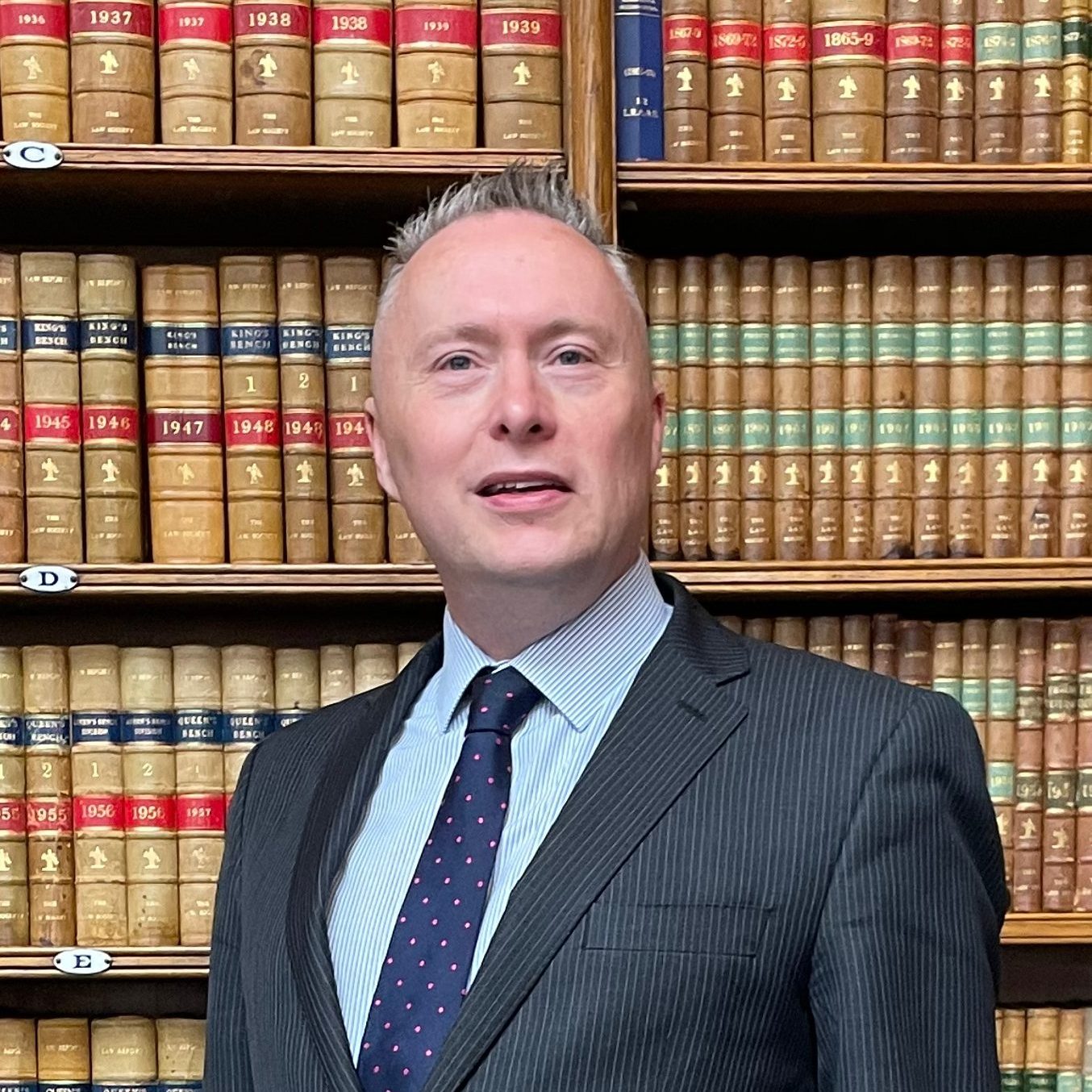
WHY CHOSE SCOTT HARDING-LISTER?
A Clinical Negligence Solicitor with a Clinical Nursing Background
With a legal and clinical background, Scott offers a unique insight into clinical negligence claims. His medical experience enables swift identification of errors, evaluation of NHS care standards, and effective case building.
Scott understands not only the legal process but also the lasting medical impact on clients’ health and future care needs.
Proven Success in Complex Claims
Known for his strategic approach, Scott has secured substantial compensation in high-value claims involving misdiagnosis, nursing negligence, surgical errors, birth injuries, and hospital negligence.
LEARN MORE ABOUT CLINICAL NEGLIGENCE


Frequently Asked QuestionS
DO I HAVE A CLINICAL NEGLIGENCE CLAIM?
Healthcare professionals have a legal duty to provide a reasonable standard of care. Where that duty is breached and causes, or materially contributes to injury, illness, or financial loss, there may be grounds for a clinical negligence claim.
To succeed in a claim, it must be shown that the treatment received, or an omission, fell below the standard expected of a reasonably competent healthcare provider, and that this failing caused or materially contributed to harm.
A legal practitioner with experience in clinical negligence will assess the medical and legal aspects of the situation and advise on whether a claim is likely to succeed.
We offer a free consultation with potential clients.
HOW MUCH COMPENSATION COULD I RECEIVE?
Compensation varies depending on the facts of each case. A fair settlement will consider a range of factors, including:
- The severity of the injury or condition
- The impact on daily life, employment, hobbies, and relationships
- The need for future care, rehabilitation, or ongoing treatment
- Any financial losses already sustained, such as lost income or travel costs
- Likely future expenses, including private treatment or home adaptations
The aim of compensation is to place the injured party, so far as money can, in the position they would have been in had the negligence not occurred. A careful assessment will be made to ensure that all aspects of loss are properly accounted for.
HOW LONG DO I HAVE TO MAKE A CLAIM?
The standard time limit for bringing a clinical negligence claim is three years. This usually runs from the date of the negligent incident or from the date the individual first knew, or could reasonably have known, that they had been harmed as a result of negligent care.
There are some exceptions:
- For children, the three-year period begins on their 18th birthday
- For individuals lacking mental capacity, time limits may not apply
Because limitation periods can be complex, early legal advice is essential. Delay may result in a claim being time barred, even if it would otherwise have been successful.
IS COURT ATTENDANCE NECESSARY?
Most clinical negligence claims are resolved without the need for court proceedings. The majority settle through negotiation or alternative dispute resolution such as mediation.
If a satisfactory settlement cannot be reached or if liability is denied, court proceedings may become necessary. In that event, a legal representative will manage the case thoroughly, ensuring proper preparation and advocacy at each stage. The aim is always to minimise stress and resolve matters as efficiently as possible.
WHAT DOES NO WIN, NO FEE MEAN?
A Conditional Fee Agreement (CFA), commonly referred to as a “No Win, No Fee” arrangement, are very complicate but in general terms allow claimants to pursue a claim without paying legal fees upfront. Legal costs are only payable if the claim is successful.
If successful, a portion of the compensation may be used to cover legal costs. These terms will always be explained and agreed in writing beforehand. If the claim fails, there is no obligation to pay our legal fees.
Clear information will be provided about funding options, success fees, and insurance to ensure transparency and peace of mind before any decision is made.
HOW DO I START MY CLAIM?
Arrange an appointment with one of our team and we can discuss your potential claim.
If there is a basis to proceed, the solicitor will handle all aspects of the claim including; obtaining medical evidence, instructing experts, corresponding with healthcare providers, and negotiating settlement terms.
Claimants will typically deal with one dedicated point of contact who will provide updates, answer queries, and offer guidance throughout. The aim is to ensure the process is managed professionally, leaving the claimant free to focus on recovery.
CONTACT US
Take the first step toward justice today. we offer a free, no-obligation consultation to discuss your case.
Your message has been sent
